Service
Mosquito control in the Sacramento area
That is the whole idea in one paragraph. The reason it works, and the reason we run it the way we do, is worth understanding before you sign up for a season.
Ready for a yard you can actually sit in this summer?
What mosquito control actually means here
Plant-based gets used loosely in pest control, so here is exactly what we mean by it. Our primary treatment is a product built on plant-derived essential oils, mainly rosemary oil, geraniol, and peppermint oil. Those oils are toxic to mosquitoes and other soft-bodied insects but low-risk to people and pets, which is why the formula is exempt from federal pesticide registration under the reduced-risk rules. It kills mosquitoes on contact and repels them from treated surfaces, then it breaks down over the following weeks rather than persisting in your soil.
What it is not is a synthetic pyrethroid fog. Most conventional mosquito services in the valley run a synthetic knockdown that is effective and cheap but indiscriminate. It hits the mosquitoes and also the bees, the ladybugs, and the beneficial insects that keep a yard in balance. When you are treating the same property every three weeks for seven months, that collateral damage compounds. A plant-based program avoids most of it. We are honest that botanical products break down faster than synthetics, and that is the trade we make on purpose: gentler chemistry, serviced more often, instead of harsher chemistry stretched thin.
How a visit actually goes
A mosquito treatment is not a person waving a fogger at the lawn. The lawn is the one place mosquitoes are not. Here is the real sequence.
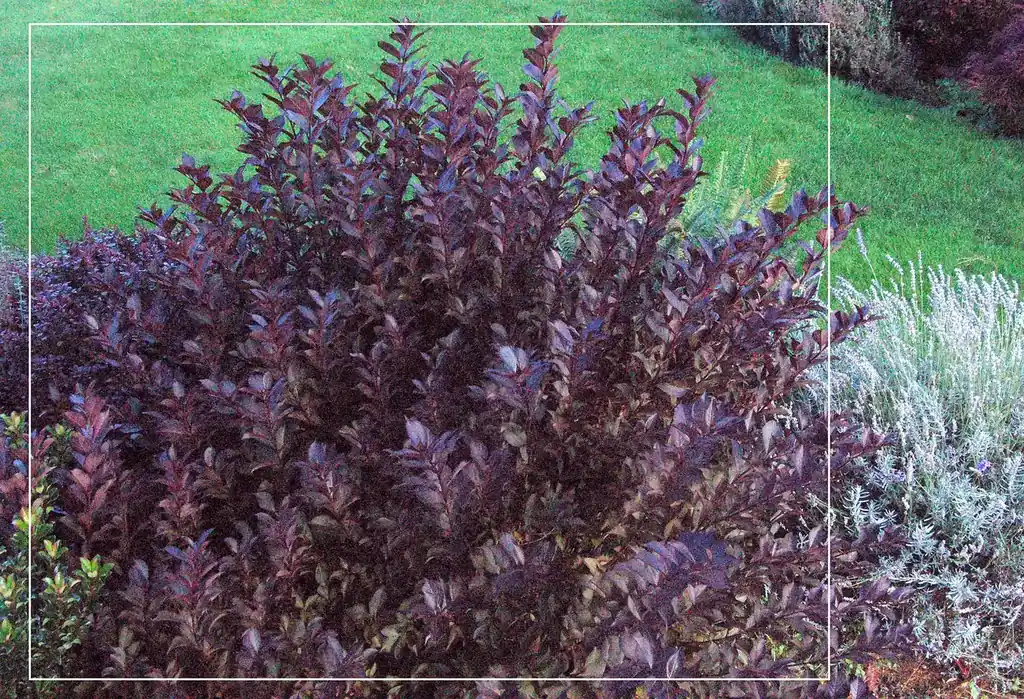
- Walk the property first. We look for the two things that matter: where adults are resting, and where water is collecting. The resting spots are the shaded, humid, wind-sheltered places, under decks, dense shrubs, the north side of the house, ivy, tall ornamental grasses. The water is anything holding it for more than a few days.
- Knock out standing water we can reach. Dump the saucers, the toys, the tarp folds, the clogged gutter section, the forgotten bucket. Every one of these is a nursery. This step is free and it does more than any spray.
- Treat the resting harborage. The botanical barrier goes on the undersides of foliage, shrub interiors, fence lines, and shaded structure where adults hide during the day. We deliberately skip open blooms the pollinators are working.
- Place or service the In2Care stations. On the first visit we position stations in the shaded, protected spots egg-laying females prefer. On later visits we refresh them. This is the piece that reaches the breeding water we cannot see.
- Note anything else. A chronic drainage problem, a neighbor's green pool, a water feature that needs a dunk. You get a heads-up on what is driving pressure so we can fix causes, not just symptoms.
The visit itself is quick once the plan is set, usually 20 to 40 minutes depending on lot size. The results come from doing all five steps every cycle, not from any single heroic spray.
Why every 21 days
The 21-day cycle is not arbitrary and it is not a billing gimmick. It is set by two clocks. The first is the mosquito's: in valley summer heat, a mosquito goes from egg to biting adult in about a week to ten days, so a three-week interval keeps you ahead of roughly two breeding cycles at a time. The second is the product's: a botanical barrier stays actively repellent for a few weeks, not the six to eight a synthetic might claim. Line those two clocks up and 21 days is where plant-based control actually holds. Stretch it to monthly and you get a gap the mosquitoes walk right through. That gap is exactly why one-time sprays disappoint.
Start before the hatch builds and the whole season is easier.
What drives a mosquito problem in a Sacramento yard
Understanding your own yard helps you get more out of the program. Three things drive mosquito pressure here.
Water, first and always. A mosquito needs standing water to breed, and it needs shockingly little: a bottle cap's worth, held for a few days. The valley is full of it. Irrigated lawns and gardens, drip lines, plant saucers, birdbaths, pet bowls, kiddie pools, tarps, clogged gutters, corrugated drain pipe, and the classic Sacramento offender, a neighbor's neglected swimming pool that has gone green. The single most effective thing any homeowner can do is walk the yard after a watering and tip out everything holding water.
Shade and humidity, second. Adult mosquitoes do not spend the 100 degree afternoon in the open. They rest in cool, damp, sheltered vegetation and come out at dawn and dusk. A yard with heavy shade, dense plantings, and poor airflow gives them a hotel. That is why our barrier targets harborage, and why thinning an overgrown shady corner can cut your problem noticeably.
Your neighbors, third. Mosquitoes do not respect fence lines. The Aedes and Culex species common here range a few hundred feet, so a breeding source two yards over is your problem too. This is the exact situation the In2Care stations are built for, because a contaminated female spreads larvicide across all of it, including sources you have no access to.
The species we are actually fighting
Two groups matter most in the Sacramento region. Culex mosquitoes are the classic evening biters and the main carriers of West Nile virus, which is a real public health issue in this valley every summer. They breed in stagnant, nutrient-rich water like storm drains and neglected pools. Then there is the invasive Aedes aegypti, which has established in parts of the region and changed the game: it is an aggressive daytime biter, it breeds in tiny clean-water containers right around your house, and it barely ranges past your own yard. Aedes is the one that makes container control and the In2Care approach so important, because it lives and breeds in the exact clutter a barrier spray alone would miss.
Where this fits with our other services
The core program covers mosquitoes. Two common add-ons share the same botanical, low-impact approach. If you back up to open space, a greenbelt, or tall grass, ticks are worth addressing at the same time, since they hide in the same shaded borders we already treat. See mosquito and tick control. If you have dogs and shaded runs, the same treatments help push down fleas in the yard, covered on the yard flea control page. And the trap technology that makes all of this work has its own detailed walkthrough on the In2Care system page.
Questions about the program
Is one treatment enough?
No, and any honest service will tell you the same. A single visit knocks the adults down for a couple of weeks, then the next generation hatches and you are back where you started. Mosquito control is a program, not an event. The barrier plus the In2Care stations on a 21-day cycle is what produces a yard that stays comfortable, because it keeps interrupting the breeding cycle instead of just clearing today's adults.
Will it hurt my vegetable garden or my bees?
Handled correctly, no. We treat resting harborage, not open blooms, and we keep the barrier off flowering plants the pollinators are actively working. The essential-oil products break down quickly and are far easier on beneficial insects than a broad synthetic fog. If you keep bees or grow food, tell us and we will map the no-treat zones with you on the first visit.
What if my neighbor is the source?
Common, and it is the exact problem the In2Care stations solve. A female mosquito that visits a station in your yard picks up larvicide and carries it into breeding water elsewhere, including sources next door you cannot legally touch. You get protection that reaches past your own fence line. If a neighbor has an abandoned green pool, that is also worth reporting to the county vector district.
Do you offer one-time treatments for an event?
Yes. If you have a wedding, a party, or a graduation and just need the yard comfortable for a weekend, we can do a single barrier treatment a day or two ahead. Be clear-eyed that it is a short-term knockdown, not season-long control, but for a specific date it works well. Mention the date when you request a quote.
When is the best time to start?
Early spring, before the first big hatch, usually March or April in the valley. Getting the In2Care stations in place before breeding peaks is the difference between staying ahead of the population and chasing it. That said, we start yards all season, and even a July start pulls a bad yard back within a couple of cycles.
Tell us about your yard and we will build you a plan.